Intimate Violence is a practice-based study of Irish step dance that asks a simple question with radical consequences: what if the truth of percussive dance lives not only in what we see or hear, but in what the body feels at impact? Drawing on a psychometric (object-reading) perspective and an Arts Practice methodology, I read both material and immaterial "objects"—from 18th-century dance manuals and wooden-soled shoes to recurring gestures, memories, sites and systems of oppression. The book traces how impact, attention, and identity co-produce technique and meaning across the 17th–18th-century Atlantic world and today. Along the way, two performance case studies—The Querist (2017) and AngelAI (2023)—map a haptic, impact-driven practice that confronts legacies of colonization, oppression, and intimate harm. Written from my position as a Queer, Romani, disabled dance artist-researcher, Intimate Violence reframes percussive traditions—Irish step dance in dialogue with Tap, Flamenco, and Ballet Folklórico—as embodied archives where bodies negotiate history and violence one strike at a time.
What does it mean to dance impact? Is it to be struck by violence, or to strike against it? In the traditions of stomping floors, slapping bodies and snapping air, dancers confront legacies of trauma, recalibrate their nervous systems and shift our very sense of time. I write from a Romani perspective, where these practices thread through thousands of years of dis/place. I write from Ireland, where both academia and my community in North Clare offered me a dance through which I could carry this story into English.
Bodies negotiate history and violence one strike at a time.
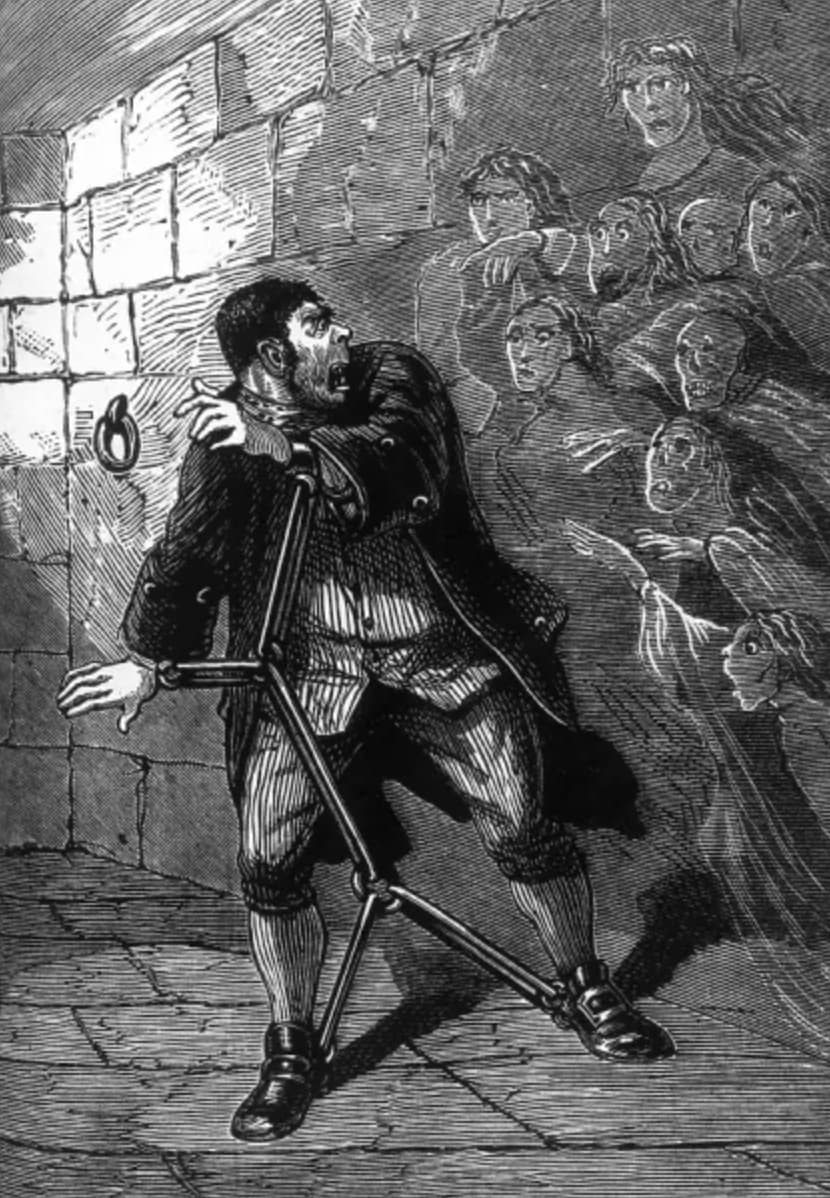
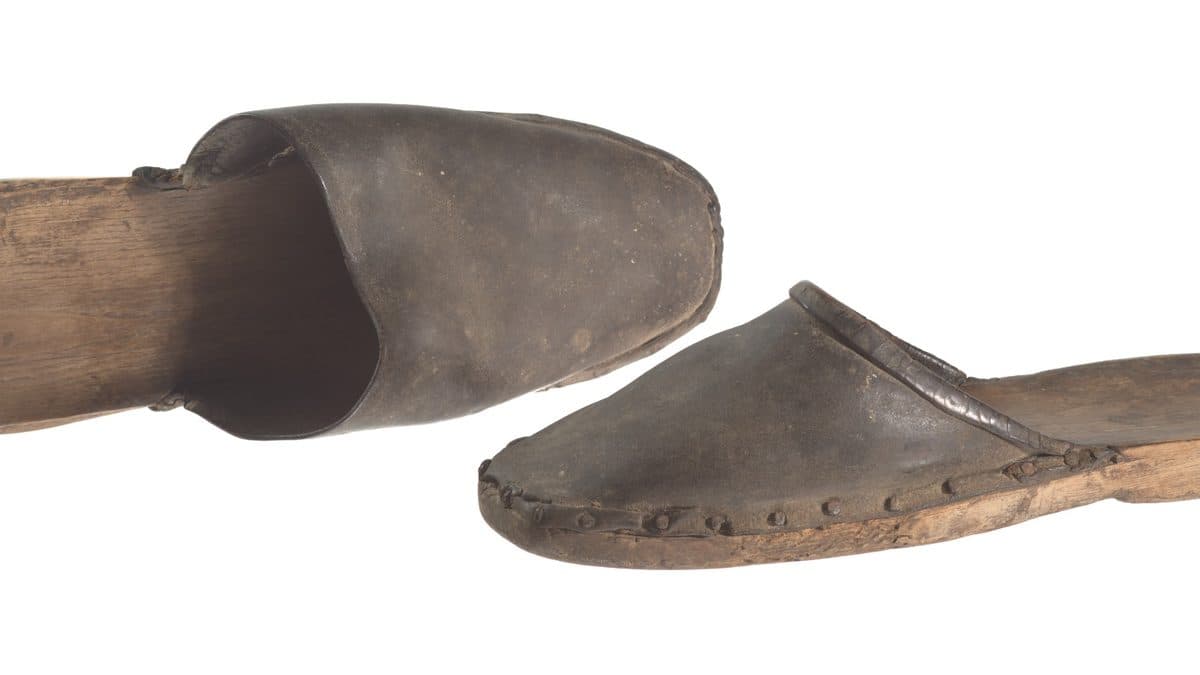
The project combines studio experiments, live performances, activism and critical writing. Its methods are somatics, the traditions of Irish step dance and Romani dance, and comparative analysis with Ballroom and Vogue arm work: impact drills of floor strikes, body percussion and breath; attention routing through fashion, haptics and timeline threading; witness protocols and post-performance notes. The material archive includes a pair of mule-style shoes with wooden soles from the National Museum of African American History and Culture (Open Access/CC0).
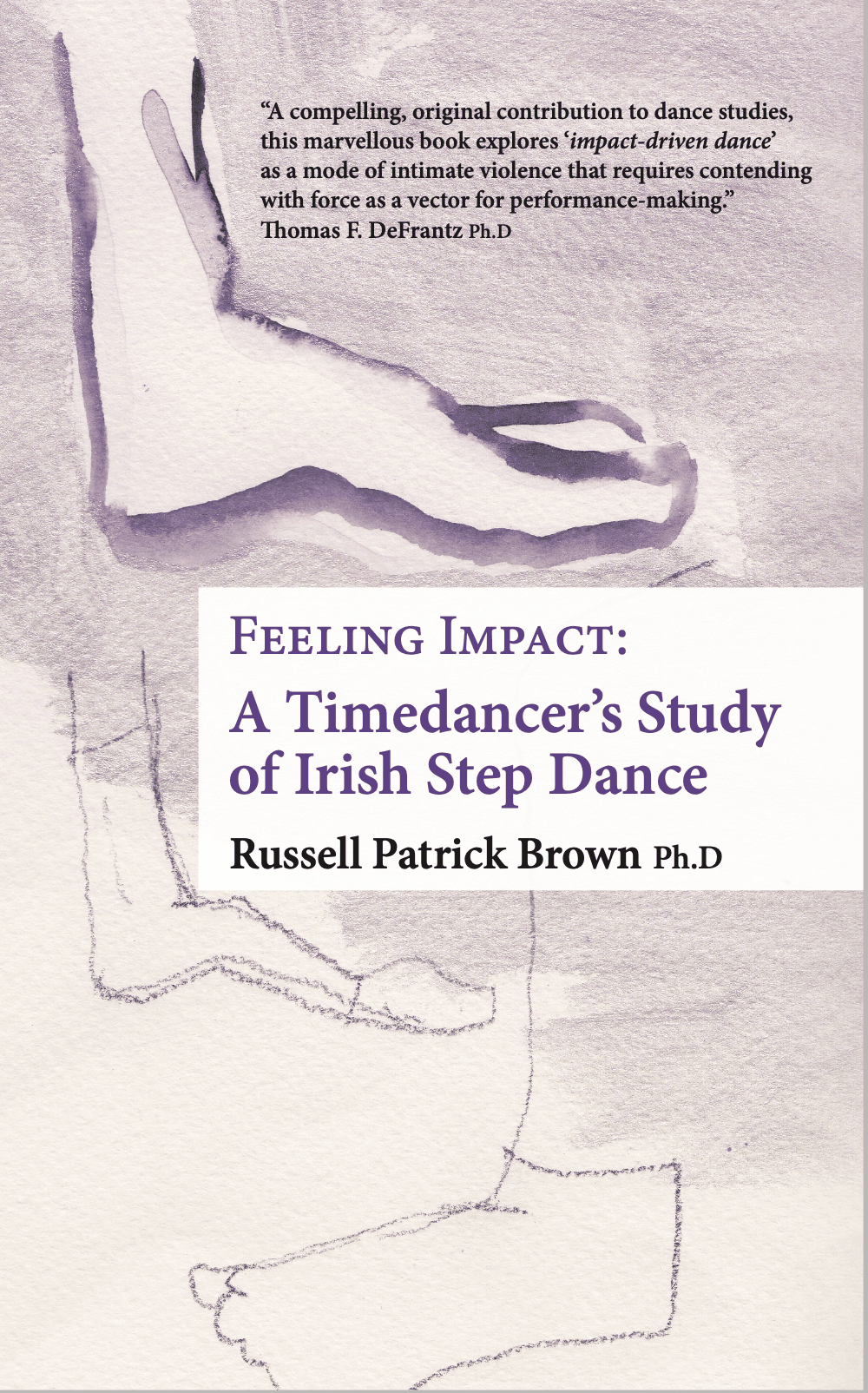
The dissertation was completed at the Irish World Academy of Music and Dance, University of Limerick, and the full text is open in the university's research repository. The book that grew out of it, Feeling Impact, is below.