The body keeps the true archive.
A library usually means a room full of records. Ours had to fit inside the body: books burn, archives are falsified, borders close. What survives is what could be carried in the step, the song, the knowing.
These letters are the shelves: essays on embodied history, Romani culture and dance, with the sources and further reading beside them.
The Library
- What is Choreography?A study of choreography as the process of deciding what a body is allowed to do — module two of the Gypsy Fires Dance Library.August 24, 2026
- What is Dance?An introduction to dance as the process of being human in motion — the opening lesson of the Gypsy Fires Dance Library.August 24, 2026
Image notes
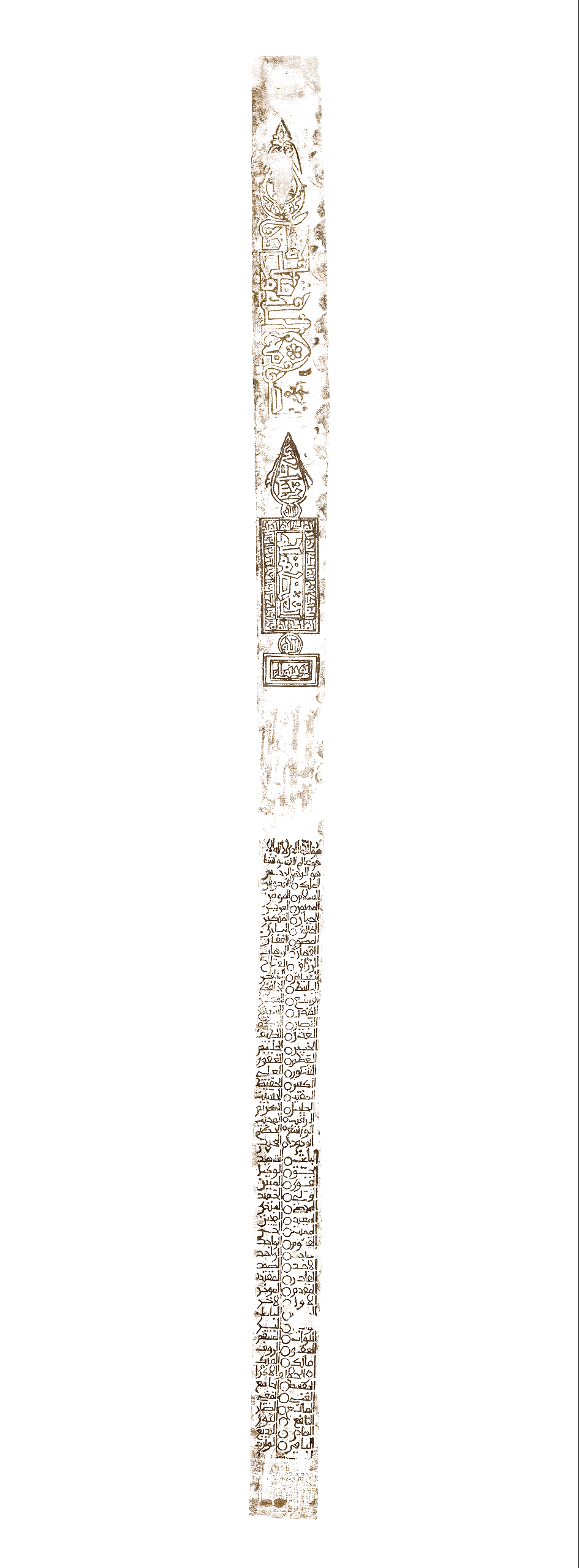
Tarsh amulet scroll (10th century): Qur’anic verses block-printed on a long strip and carried as a protective amulet. The tarsh engravers of the medieval Islamic world, Ghurabāʾ (early Romani communities), pioneered block-printing centuries before Gutenberg and Fust appropriated print.
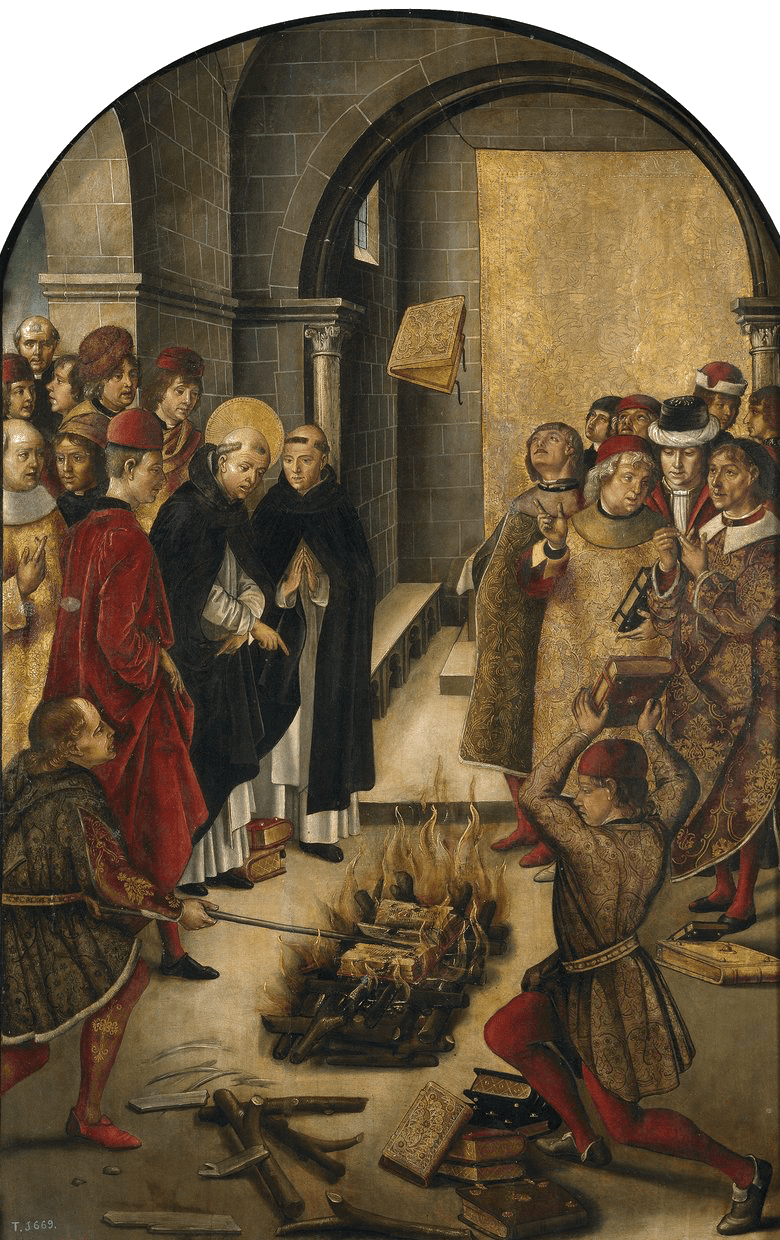
Pedro Berruguete, The Disputation of Saint Dominic and the Albigensians (c. 1493–1499), Museo del Prado. Books condemned as heretical are thrown into the fire.
Keep the fire burning.
Stay up-to-date on upcoming announcements, classes, and gatherings. Weekly letters, practices, podcasts and stories from the fireside: embodied history, Romani philosophy and timedancing, delivered through the Gypsy Fires newsletter on Substack.
Listen on