The fire keeper
Russell Patrick Brown
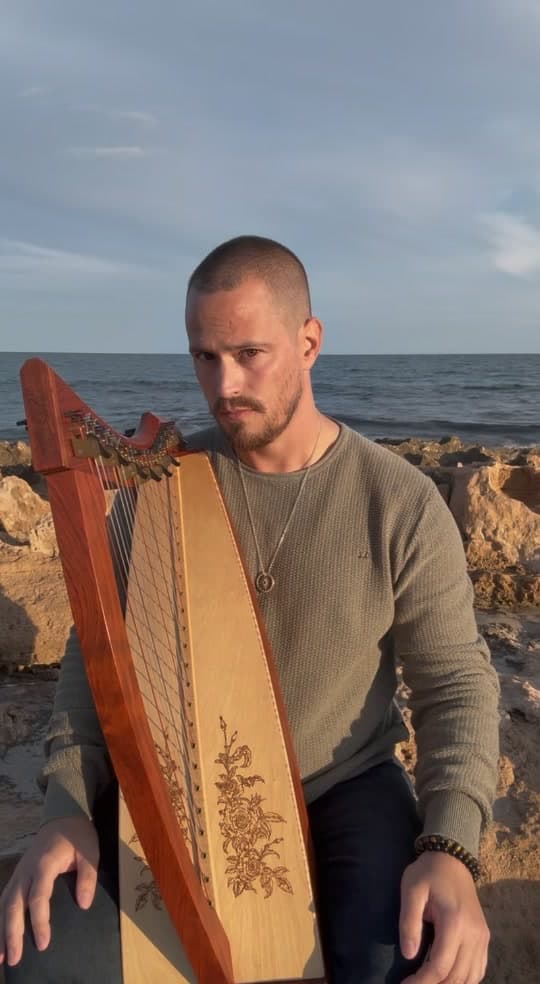
Bashaldo Gypsy dancer, harper, embodied engineer, writer and scholar. Gypsy Fires is the archive and the work that lineage produced.
The line
An unbroken traveling tradition
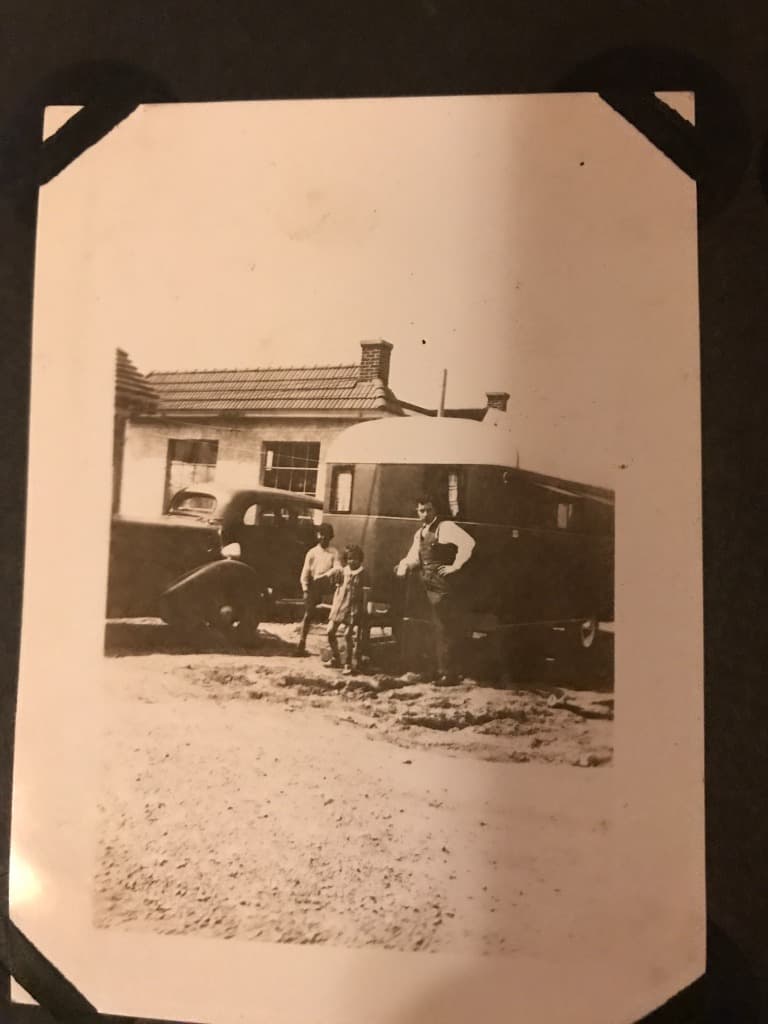
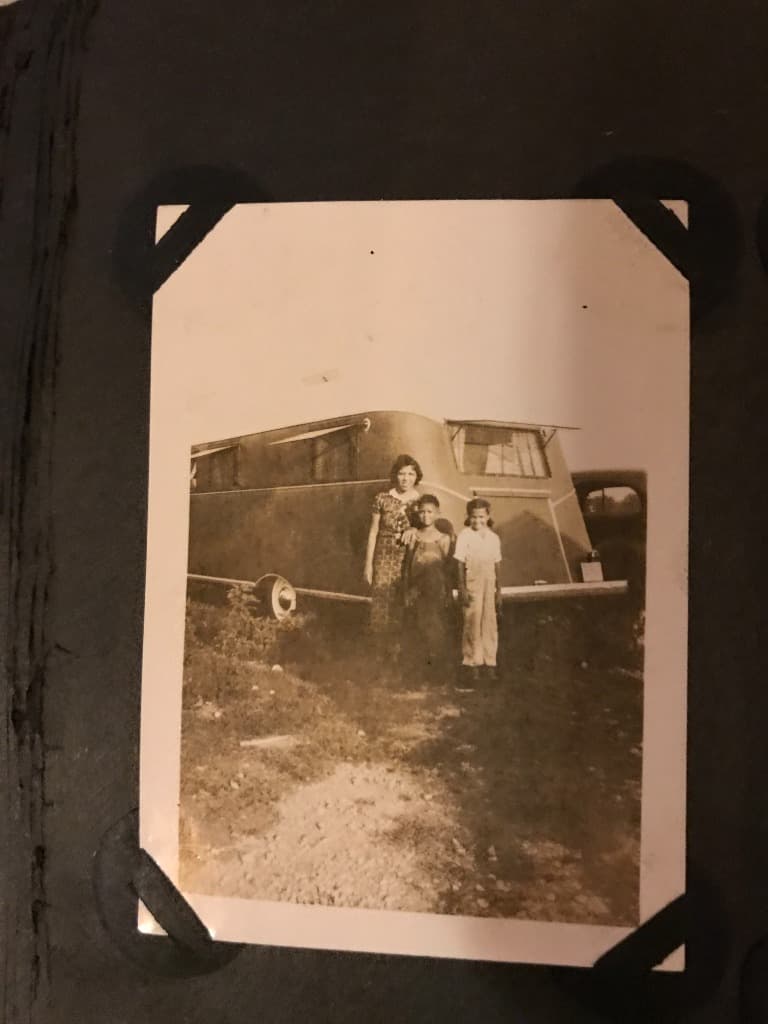
A family road from Cleveland, through the Appalachians, and down into Georgia.
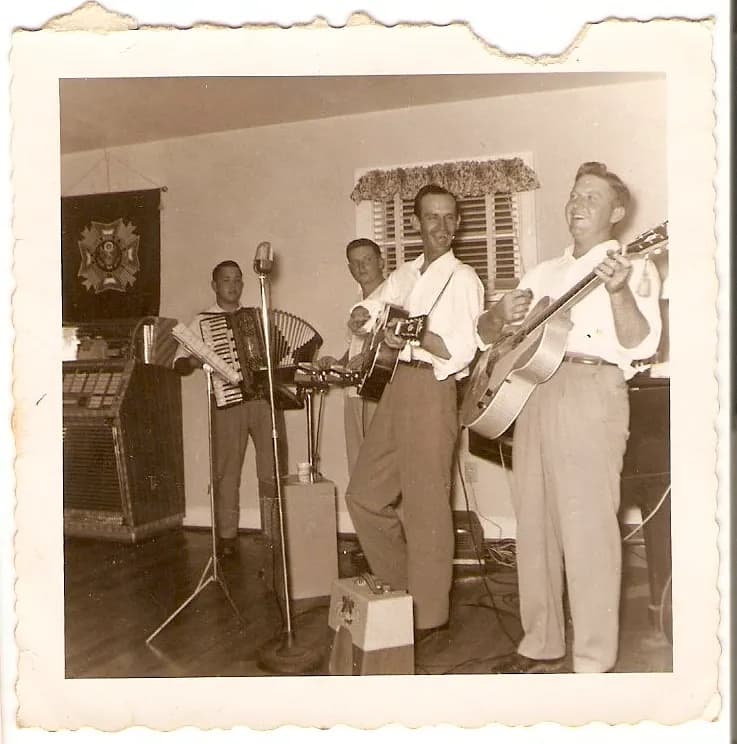
When my great-aunt Loretta died at 26, my grandfather left traditional Bashaldo music for jazz and standards, and for the protective space of music in the kitchen: an accordion, and a special song for everyone who entered.
My mother and father hid within the American folk movement, carrying our step traditions into the Irish-American clubs of Cleveland's East and West Sides. My own training began at five: spoons, saxophone, oboe, voice, guitar, piano.
The steps
From the piers to the academy
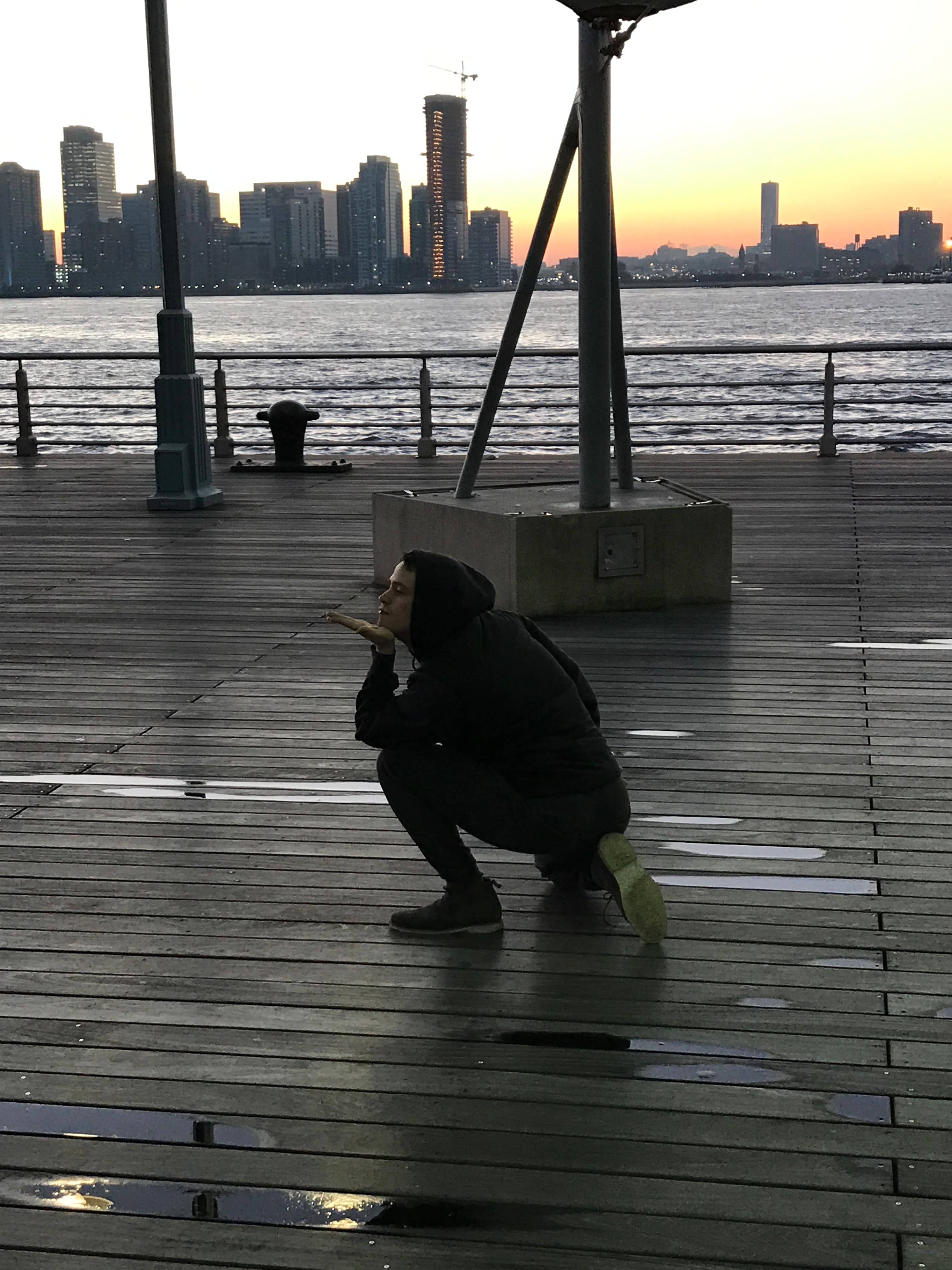
In New York I took up Irish step dance under Donny Golden and carried my steps to the piers of Queens, Manhattan and Brooklyn: trading movement with the African-American and queer/trans BIPOC Vogue house communities who made those piers a dance floor.
That exchange became a question: how does impact become knowledge through the body? Mick Moloney heard it early and sent me across the Atlantic. The answer became a PhD in Arts Practice at the Irish World Academy of Music and Dance, University of Limerick: a dissertation, Intimate Violence: Feeling Impact in Irish Step Dance, accepted without corrections, and the research that now runs under everything here.
The knowing
For fifteen years I have worked at the intersection of spiritual embodiment, vibrational medicine and ritual, traditions my family has carried for generations. As a longtime resident practitioner and harper in the historic community of Lily Dale, New York, and a student of the British spiritualist Mavis Pittilla, I treat this work as a concrete physical practice, not an abstract mystery.
The code
Away from the archive I have spent years in software engineering, leading technical teams for America's largest media publishers, including Fortune Media and People, Inc. The worlds are not separate: code is choreography, and choreography is code. Performance engineering is another medium for the art of organizing time.
Why this fire
Gypsy Dance, carried not invented
When developers targeted my historic home on Gay Street in Greenwich Village, the Romani, African-American and LGBTQ+ history embedded there was erased along with it, despite community protest and press coverage. I left New York, and rebuilt around the only true asset left: what the body carries.
What Roma and Sinti carried across centuries and oceans was never one style. It was a method: how impact, rhythm and percussive weight move through a body shaped by displacement and survival. Gypsy Dance is what that method looks like now. Gypsy Fires is where the method, the research, the letters and the archive live.
Languages
English (fluent) · Spanish (advanced) · Irish (advanced beginner) · Romungró (beginner)
Elsewhere
Creative and stage work: russellpatrickbrown.com
Letters: newsletter.gypsyfires.com
Contact
Image notes
My grandfather playing accordion, 1950s. Family collection.
Three women of the family before their trailer. Family collection.
Russell dancing on a pier. Personal photograph.
Keep the fire burning.
Stay up-to-date on upcoming announcements, classes, and gatherings. Weekly letters, practices, podcasts and stories from the fireside: embodied history, Romani philosophy and timedancing, delivered through the Gypsy Fires newsletter on Substack.
Listen on