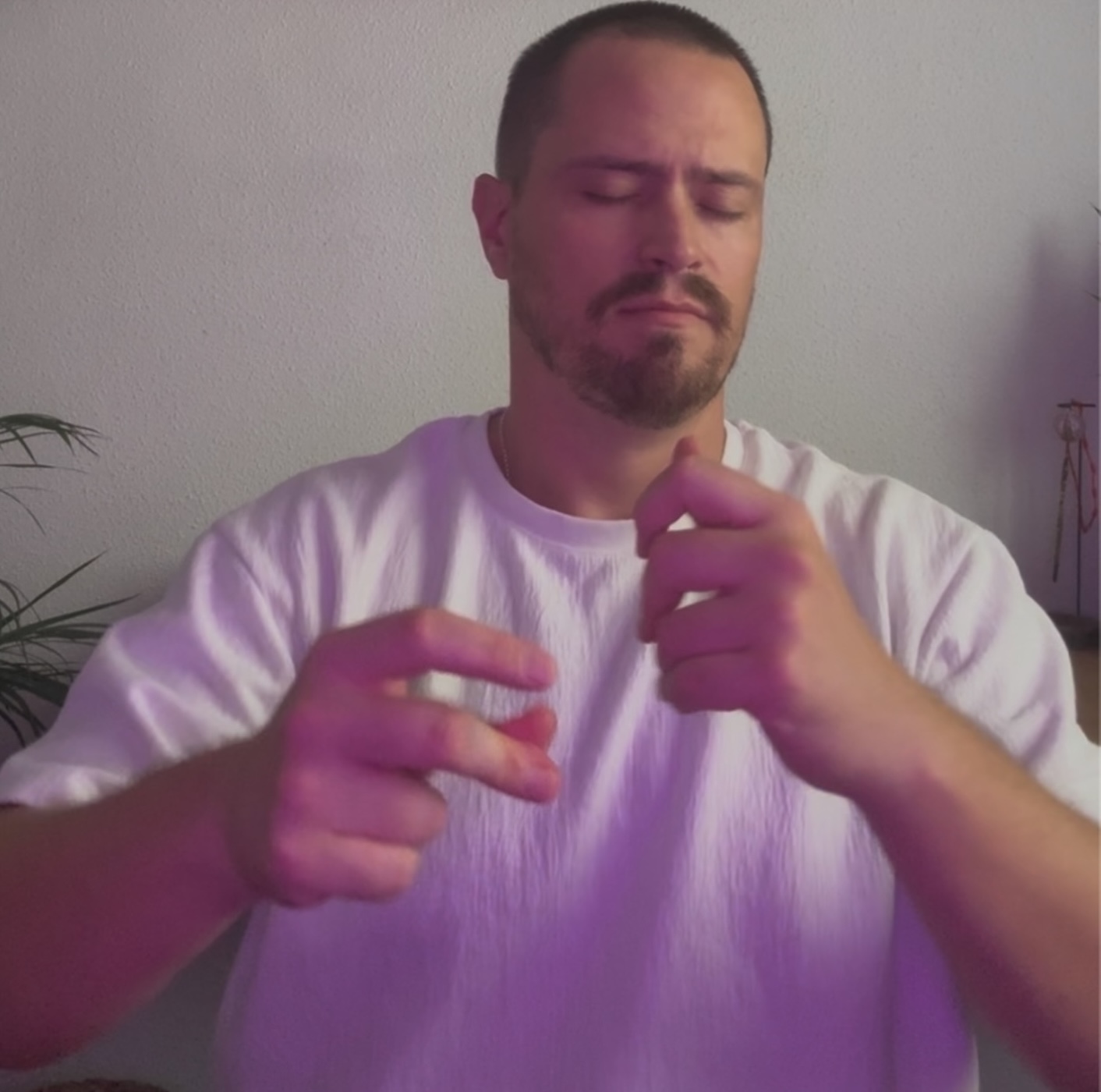
If you've sat in meditation, "listened to your body" and "regulated" yourself only to think, what is this horsecrap? — I've been there with you. "Calm down and accept the status quo" is not in my vocabulary, whether it comes out of my mouth or stays inside my head. Feeling overwhelmed, discouraged or furious about what is happening to the world, your community and yourself is not something to quiet down. It is a heart looking to break open to something more true. That is a lifetime of being Roma: watching people abandon their humanity for insanity. But we keep dancing.
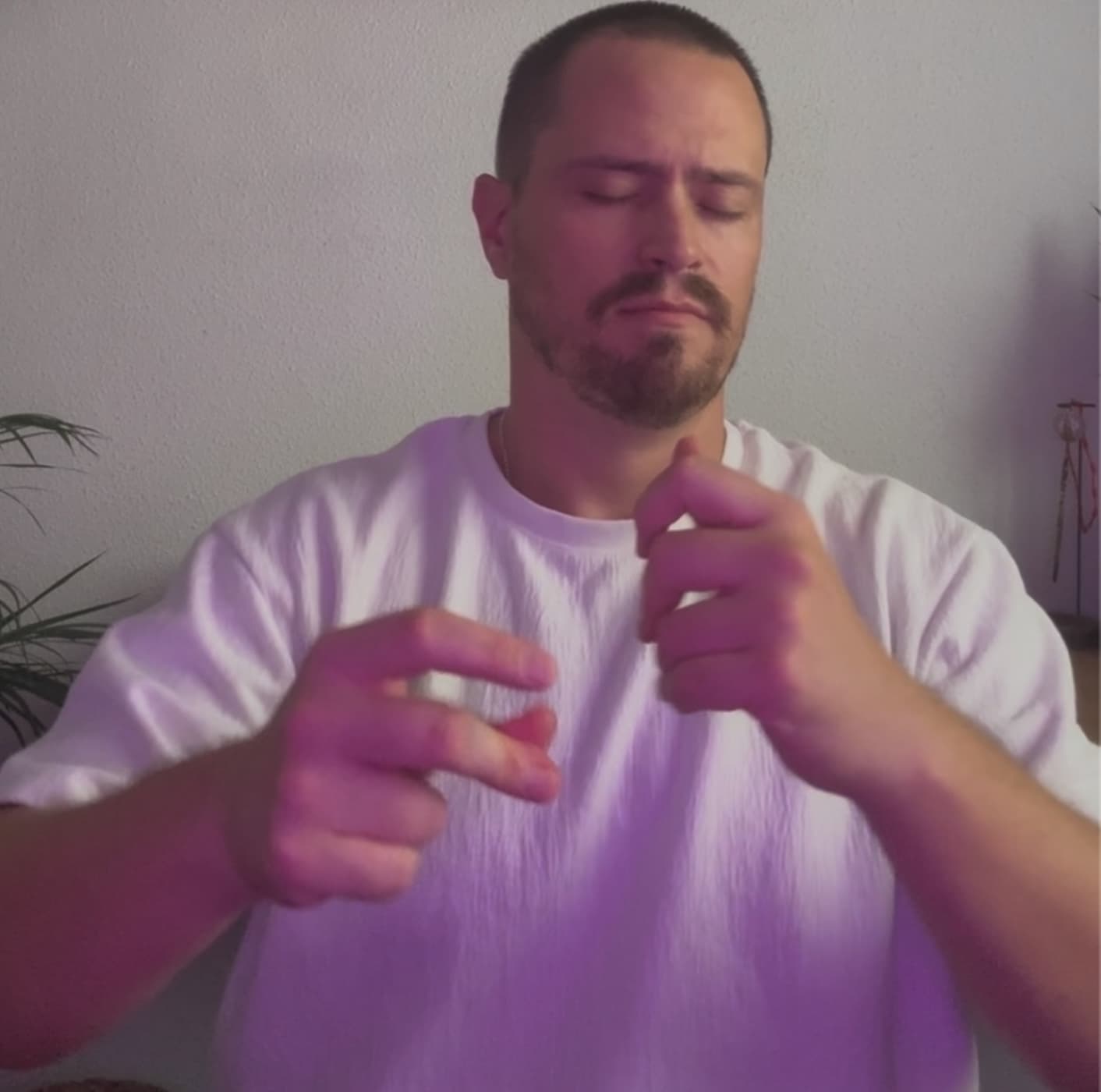
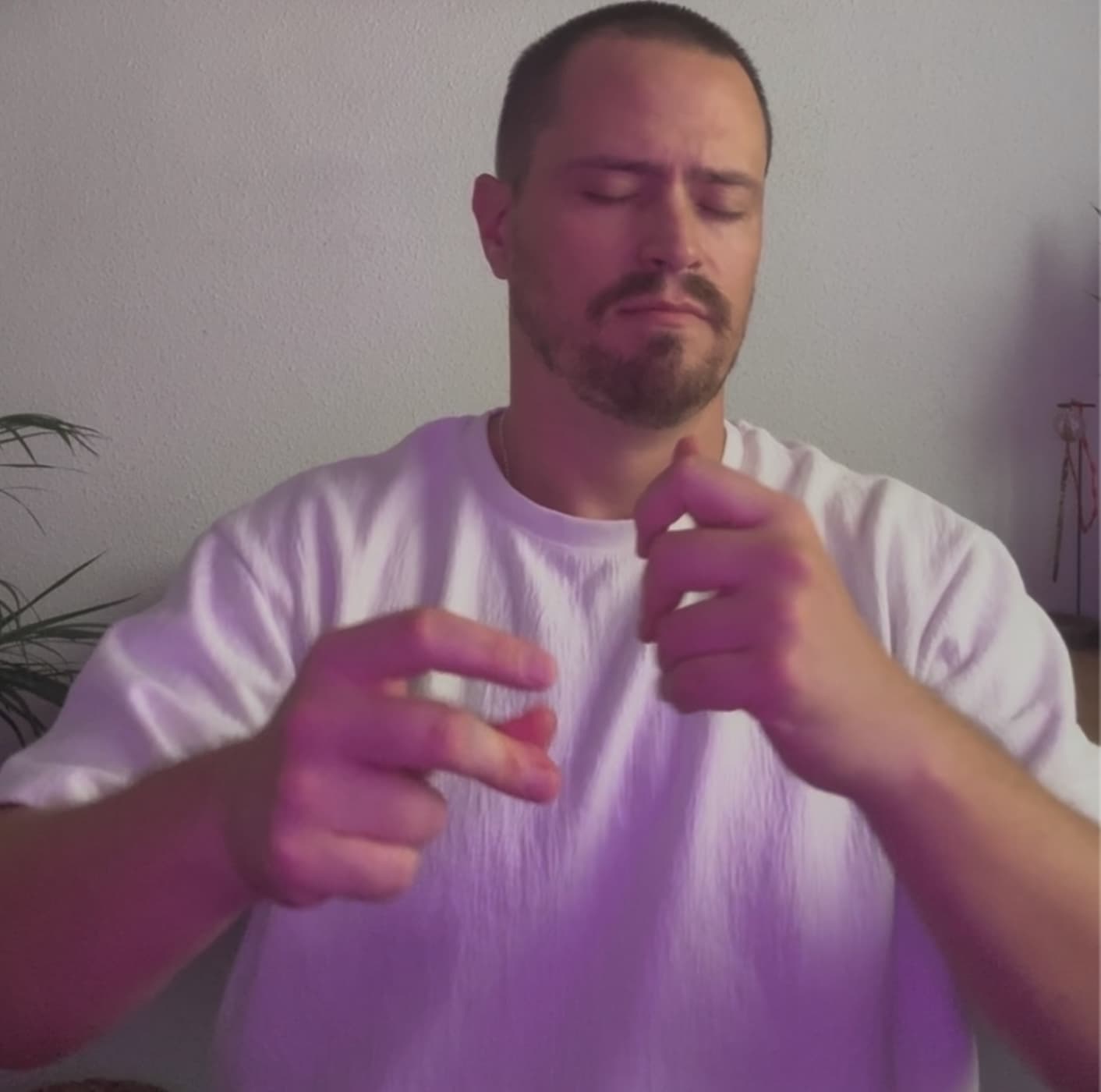
Micro-Dance is for the moments when dance is not usually done, or even thought of, which is often when we need to keep moving the most. A desk. A train. The corner of a difficult day. It uses brief, intentional body percussion — chest tapping, finger snapping, a slap, a stomp — to reach the nervous system directly through sound, touch and rhythm. No special clothes, no studio, no prior training. Just your own body's magic, played on itself.
In modern culture, being seated is a target.
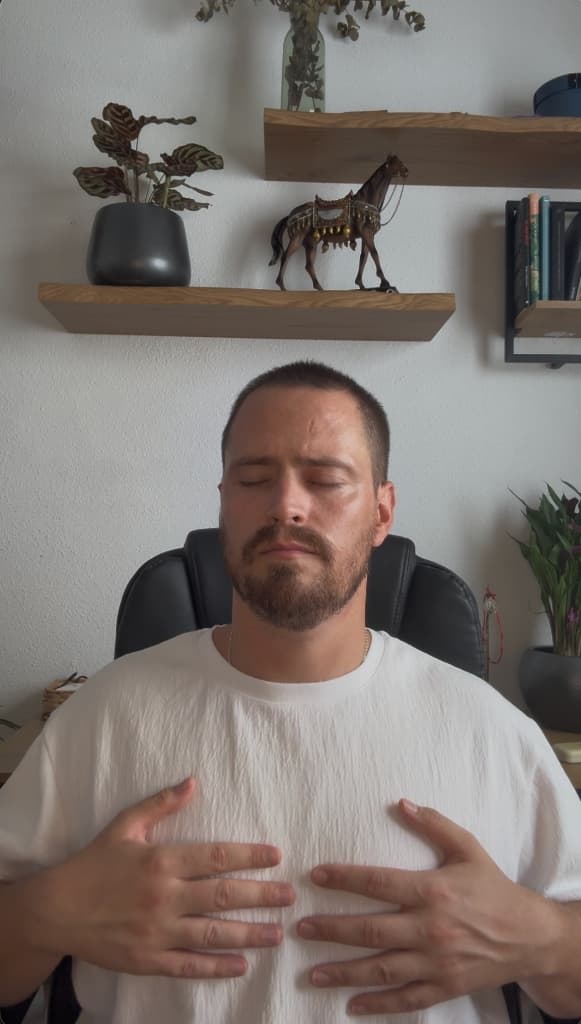
In chairs, we become passive and vulnerable: to information overload, to overthinking, to the corporate mind-fracking propagated through invasive technologies and constant streams of influence. Body tapping bypasses the endless layers of over-analysis mixed with desensitization. It reaches the nervous system through the fascia and the hands' dense maps in the brain, the way a child is bounced on a knee and comes back to the present.
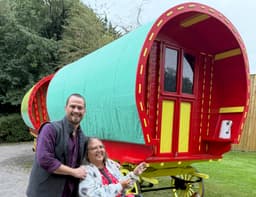
My journey with impact-driven dance began before I was born, with my mother's step dancing. Her movement and heartbeat were how I came into the world, and some of my earliest memories are of my father waltzing me around the floor in his arms. For Roma and Sinti families who created and carry traditions like Welsh clogging, American clogging, Flamenco and Hungarian step dance, this is a familiar story, and one that survived slavery and forced labor in wooden shoes, fetters and chains. Through this folk medicine we transformed hardship into dances the world still cherishes.
Dance is also how I re-regulated after trauma. Alongside clinical work in a PTSD program, it was dance practiced with agency over time that gave me my body back; later, a tapping-based somatic practice reached something talk therapy had not quite touched. In a very isolated time, it gave the dances of my family back to me. Micro-Dance is informed by that, by my doctoral research on how the body learns through impact, and by four decades of dancing. It is never too late to dance with your father and listen to songs from your mother.
The lessons are short videos, each a single seated or standing dance you can keep light or take as deep as you need today. They live on the Gypsy Fires newsletter, where new ones are added to the series.