Introducing the
Gypsy Dance Theatre
A new international Romani & Sinti ensemble and creative laboratory
What
From the archive
to the stage.
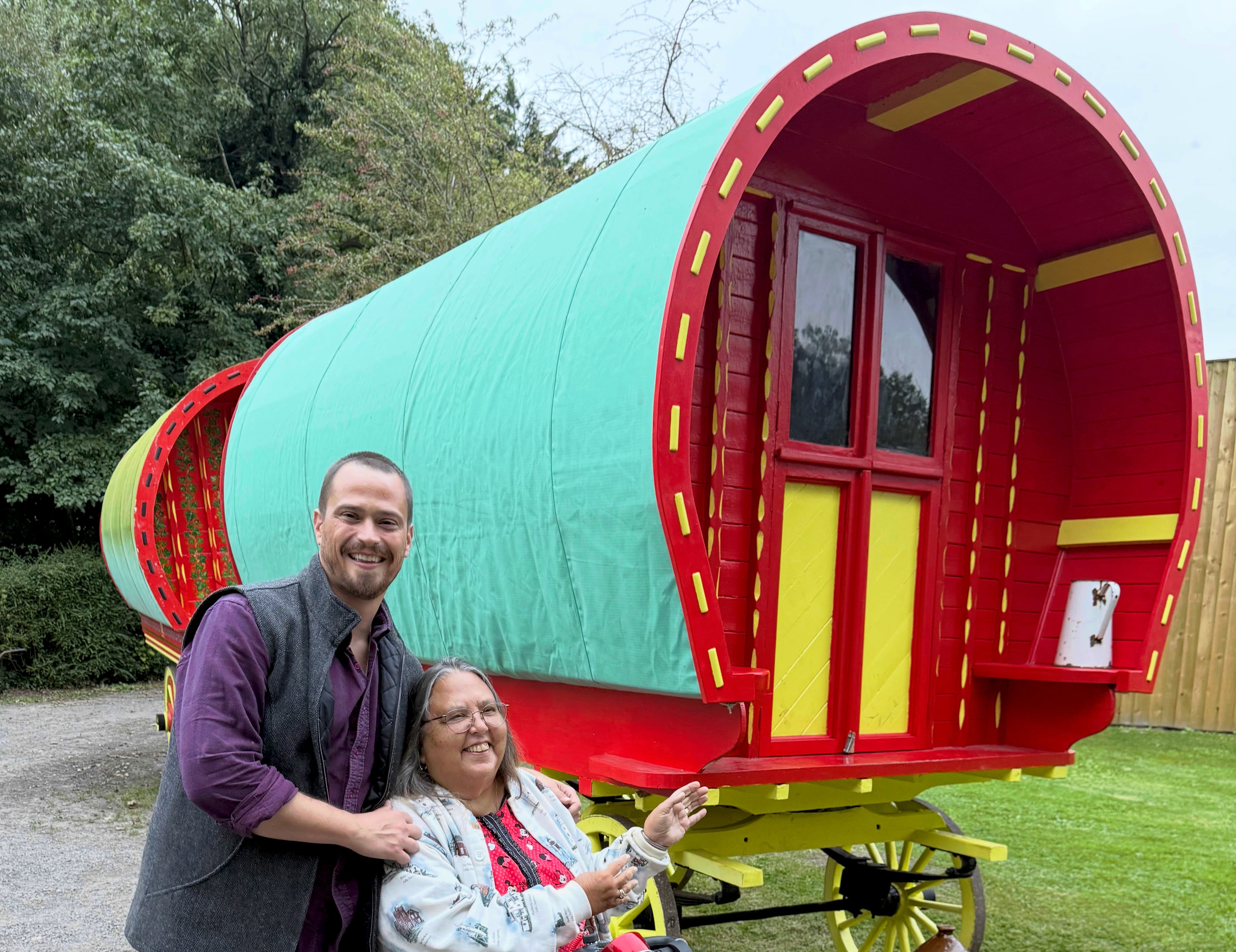
Gypsy Fires opened as a digital fireside and archive reclaiming heritage. Now the work moves through the screen and onto the road. Gypsy Dance Theatre is an international performance ensemble and creative laboratory of Romani and Sinti artists. Bridging historical research with live performance, we share Romani and Sinti arts on our own terms.
“We’ve outlasted every empire that we’ve ever encountered… You carry too much. Your responsibility is to keep going.”
Why
State archives burn.
Infrastructure fails.
The body continues.
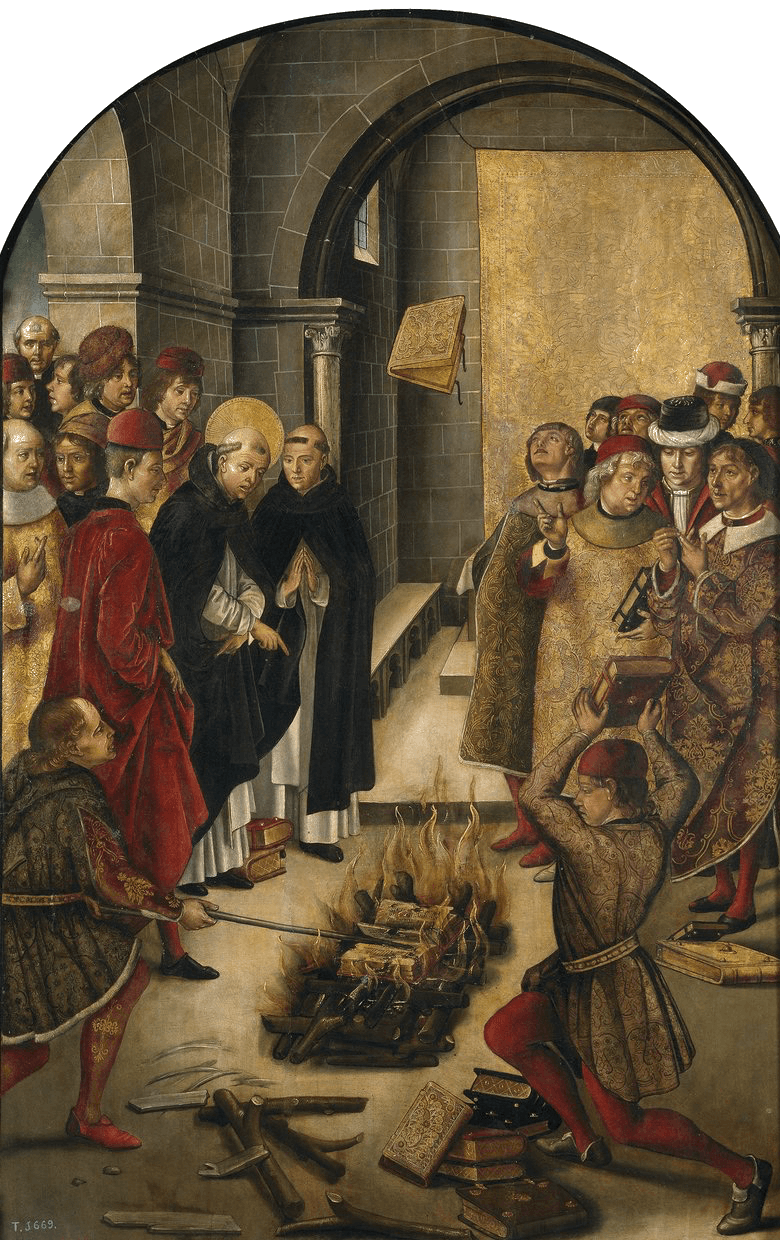
From the Silk Road through medieval kingdoms, across the Atlantic world, to transportation ships bound for Australia, Romani and Sinti civilization has spread throughout the world. Meanwhile, our culture, history, and bodies have been enclosed, extracted, and expelled.
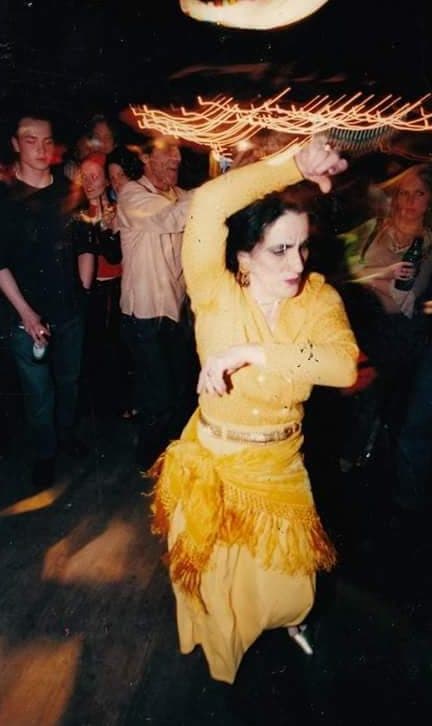
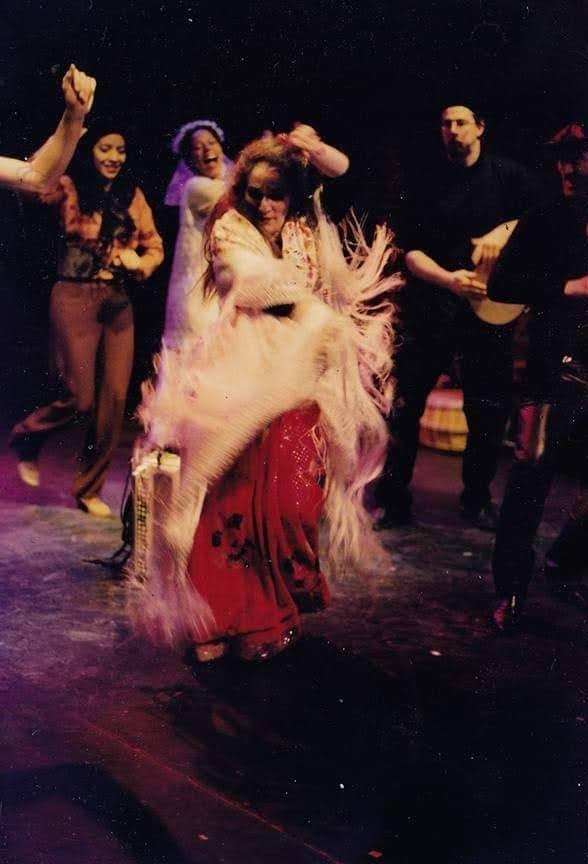
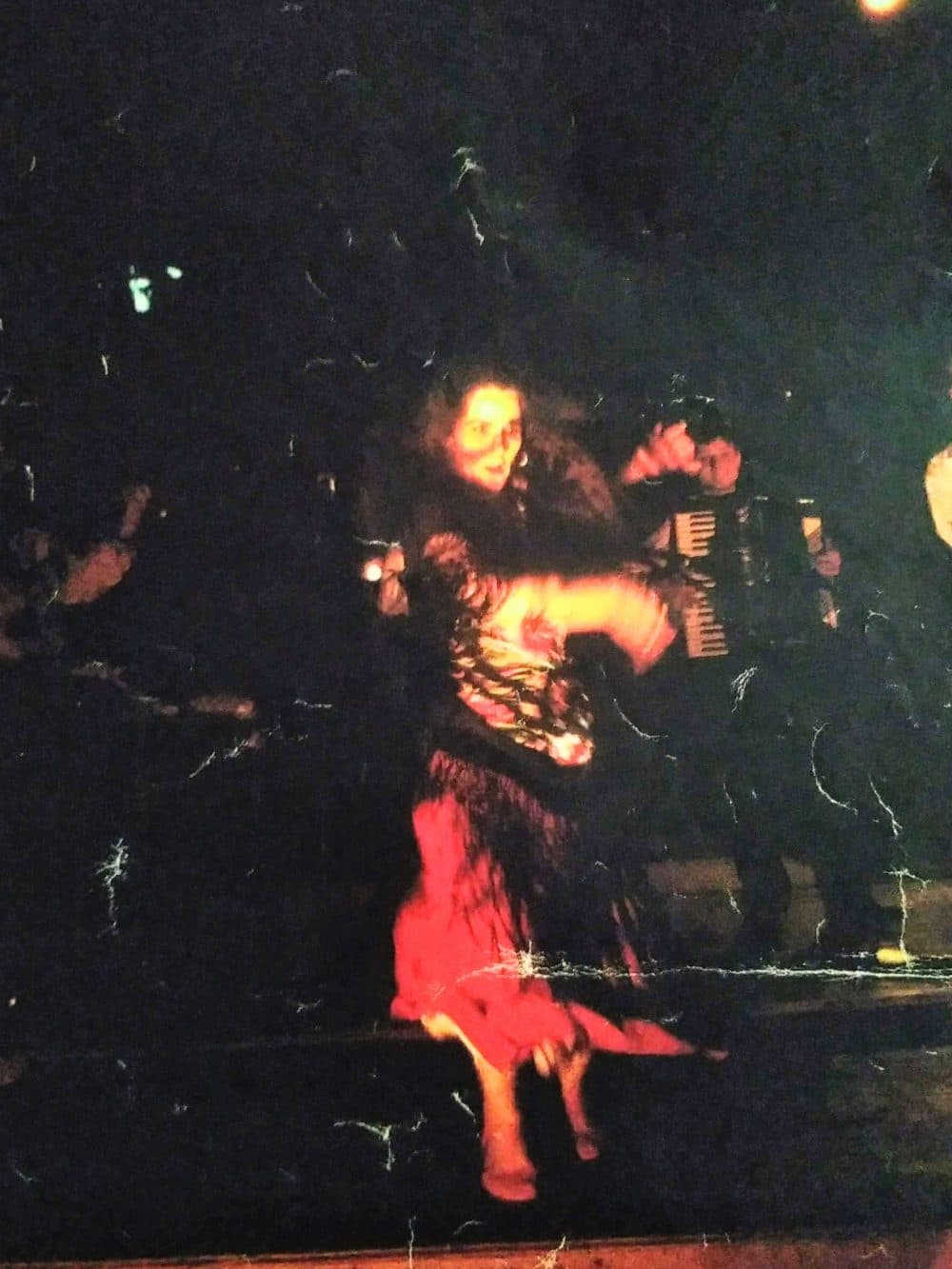
And still we have outlasted every one of those empires. Our lineage endures in the moving body: in the steps a family carries, and the rhythms we remember. For centuries, non-Roma chroniclers have written about us, exoticizing or pathologizing our movement. Today, we reclaim our dance.
Who
Decades of work, uncompromising rigor
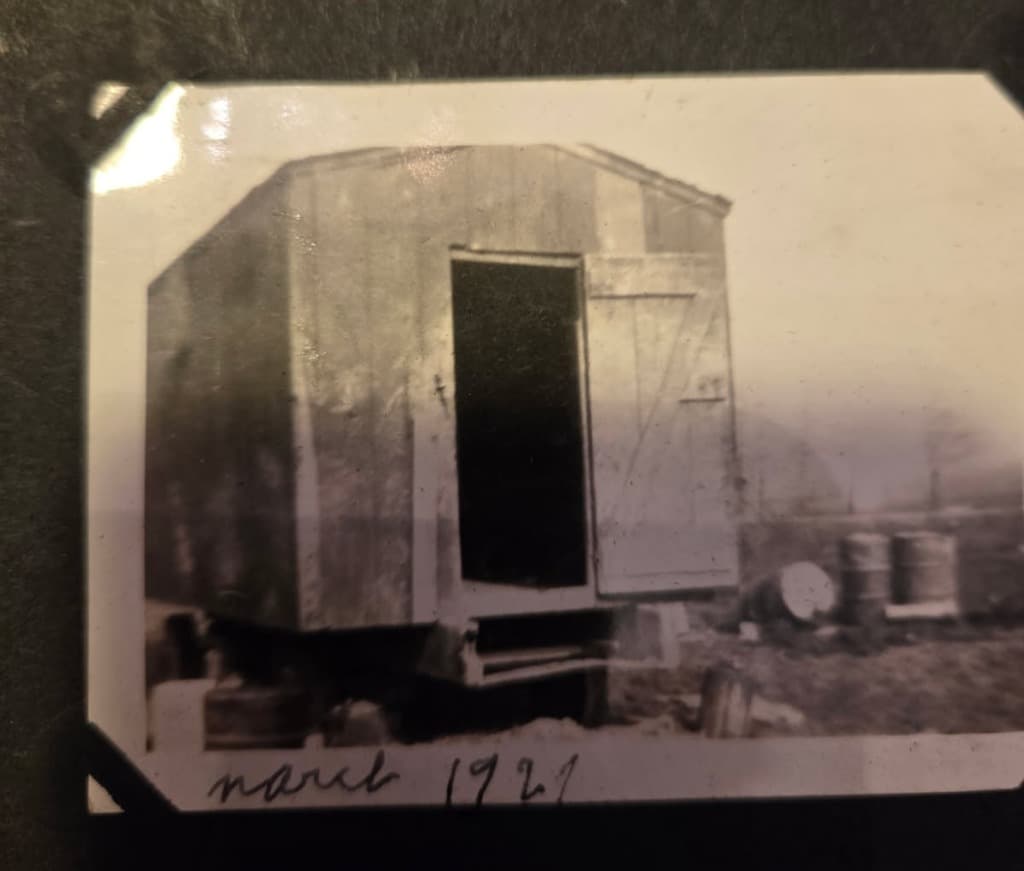
This company is not built overnight. Academic work began in September 2013, but this has been a lifelong commitment: collecting and reclaiming our dance history and lineage.
Disputed History as an Act of Liberation
Accessing disputed history is how we secure our future. For generations, non-Roma artists and performers have appropriated and made fortunes from our culture. As a Rom dance scholar entering this terrain, the traditions of travel, dance, music, storytelling, and trades through community serve as a primary archive—opening maritime logs, parish tax records, and transit routes. Read against the grain through percussive dance and somatic technology, what surfaces are hidden truths about how a people survived.
The Research & Scholarship
I
The Thesis
A doctoral thesis on “impact-driven dance” was accepted without corrections by field-defining academics.
II
The Publications
A foundational chapter on how marginalized bodies choreo-navigate spatial enclosure and state violence opens a book on Flamenco (Cambridge Scholars, 2022). The proposal for the co-edited volume, In Conversation: Romani Dance (Bloomsbury Academic, 2027), was praised by Bloomsbury editors as a “tour-de-force" that gave "goosebumps.”
III
The Hybrid Practice
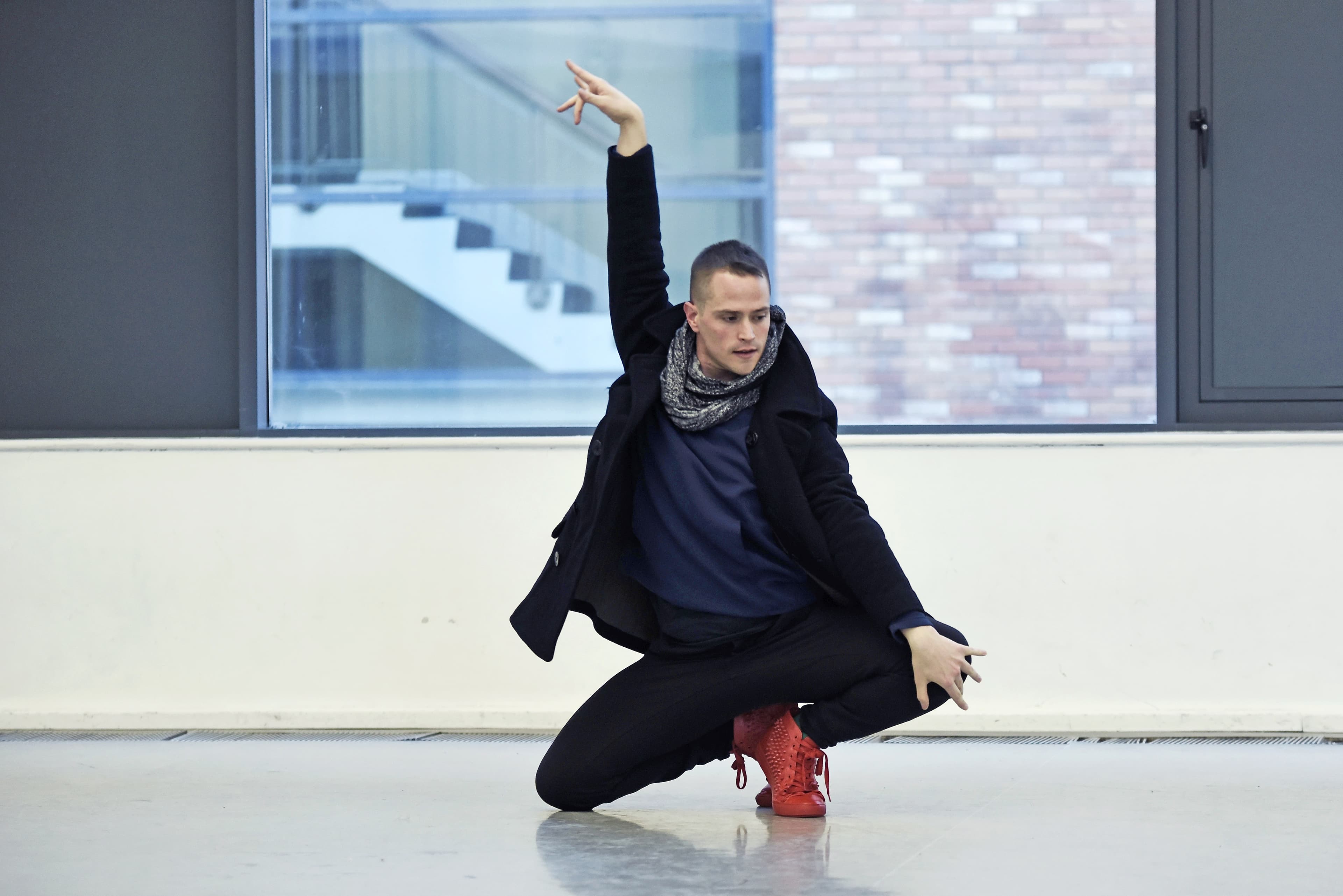
Operating as a Bashaldo Romani scholar, traditional step dancer, and technologist, treating practice-based research not as a replacement for history, but as added archival rigor.
How
Let’s meet in the theatre
The only way to truly reclaim, continue, and study the past of our traditions is to make work. Not only to write about it or carry it in private, but to actually share it together.
Our lineage runs through puppetry, concert dance, percussive dance, fortune telling, circus, and musical trades like blacksmithing—and through figures like Charlie Chaplin. That inheritance cannot be read back to life from a page; it has to be danced, rehearsed, and staged. A global company of Roma and Sinti artists has been prepared, connected across all six continents we belong to.
We never stopped carrying the tradition. Through every border, every ban, and every archive written about us, our families kept the steps, the songs, and the trades alive. What we are reclaiming is the stage: bringing the complete somatic circle—percussive impact, ritual, classical music, street kinetics, and divination—into theatre, whole and on our own terms.
Today, culture is extracted by machines and humanity is appropriated at scale. As Gypsies, we have always lived with that. Theatre answers it as a technology of meeting: bodies in one room, breathing, listening, and moving together. We are not asking for space; we are opening the stage.
Dr. Russell Patrick Brown
When & where
Kalipen
Inaugural workshop production · February 2027 · Southern Spain
Kalipen is our word for darkness, or blackness. Not a curse, but deep time, memory, and relation: what we call each other on the road.
Our first production brings the international ensemble together in Spain for a February workshop, moving straight from the archive into the studio. Kalipen stages practice-based archival research: the lineage is not described, it is performed.
Read the letter: Kalipen, Darkness in Sinti and Roma Culture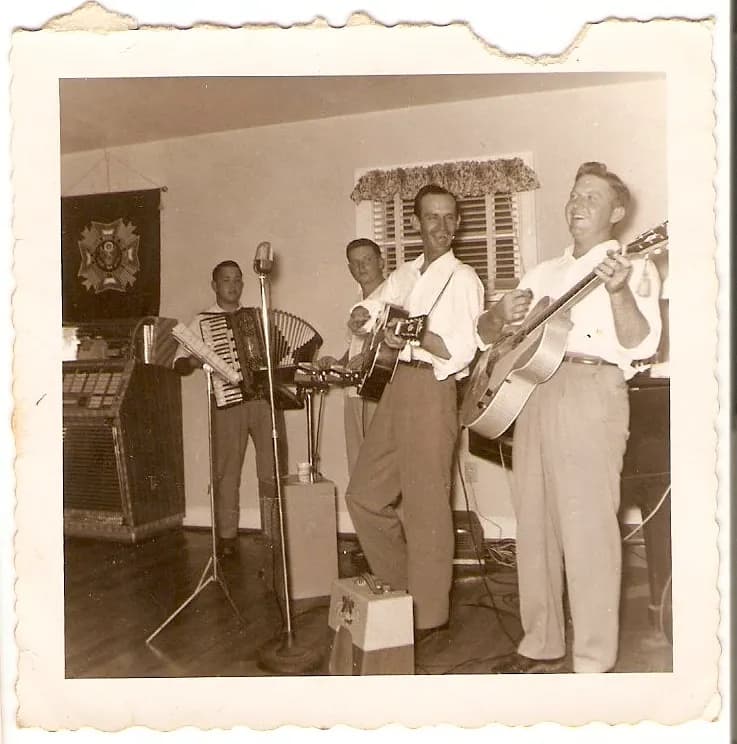
Dance
The dance draws on Romani percussive dance, our circus history, and concert dance. The step, the stamp, and the heel turn rhythm into impact, carrying the labor of the forge and the road into the body. From the ring of our circus families come the tumble, the high wire, and the clown; concert dance carries all of it onto the stage. In Kalipen, the dance is not a museum artifact but a living technology, the body as instrument and archive at once.
Music
The music is rooted in Sinti culture, which reaches into Manouche jazz and flamenco. From the guitars and violins of Sinti and Manouche families to the swing of Manouche jazz and the compás of flamenco, these sounds share one root. In Kalipen, they play in dialogue with the dancers’ feet: an acoustic and somatic conversation handed from one generation to the next.
Theatre
Our theatre is inspired by Charlie Chaplin. Chaplin was one of us: a boy clog dancer with the Eight Lancashire Lads who carried the rhythms of northern mill towns through Britain’s music halls, then took Hollywood’s physical comedy away from blackface minstrelsy and anchored it in footwork, clowning, timing, and the Tramp’s vulnerability. Kalipen stages physical comedy and silent storytelling as what they have always been for us: strategies of survival and subversion.
Phase I pre-seed
Fueling the launch, milestone by milestone
To move at the speed of creation and build cross-border infrastructure through Rustle Media LLC in New York and a European footprint in Spain, we are opening a Phase I pre-seed round with an $18,000 target. Instead of an all-or-nothing counter, every contribution moves us toward a working milestone.
Milestone 1
$6,000
Digital & Legal Infrastructure
UnlocksPlatform expansion on gypsyfires.com, cross-border entity setup and initial founder operating runway in Southern Spain.
Milestone 2
$12,000
Ensemble Residency & Choreography
UnlocksStudio rental in Spain, travel stipends and collaborative workshops for a founding international ensemble of Romani, Sinti and Indigenous dancers.
Milestone 3
$18,000
Kalipen, The February Workshop
UnlocksThe February 2027 workshop production of Kalipen in Spain, high-definition repertoire documentation and applications for international touring and major arts grants.
Beyond Phase I
Global Touring & Public Assemblies
Live performances and assemblies convening Romani elders, water protectors, and international artists.
Academic Integration
Partnership pipelines with leading institutions, and the publication of the Bloomsbury volume.
Permanent Infrastructure
Gypsy Dance Theatre as a self-sustaining global institution, securing Romani artistic and intellectual sovereignty for generations to come.
Contribute
$25+
Community Supporter
Give what you can. Every contribution goes directly to the launch.
Includes progress letters from the studio.
Contribute →$250+
Founding Supporter
Helps carry the ensemble into its first residency.
Includes studio letters and your name in the Kalipen programme.
Contribute →$1,000+
Founding Angel Patron
Underwrites the foundations of the company itself.
Includes all of the above and an invitation to the February workshop showing.
Contribute →Pre-seed contributions directly support the immediate launch and incorporation of the organization.
Contributions are not currently tax-deductible. We are working toward fiscal sponsorship in the United States and an equivalent nonprofit structure in Europe.
“To be a Gypsy is to carry language, music, stories, technology, and dance that have witnessed the ruins of empires across continents, oceans, and ages. We have carried it this far, and it holds what the world today is missing. Let us reunite in the theatre once again.”
Dr. Russell Patrick Brown

Keep the fire burning.
Stay up-to-date on upcoming announcements, classes, and gatherings. Weekly letters, practices, podcasts and stories from the fireside: embodied history, Romani philosophy and timedancing, delivered through the Gypsy Fires newsletter on Substack.
Listen on